Small residential coverage
Front door, driveway, garage, side gate, backyard, or video doorbell coverage with clean setup, mobile viewing, and playback guidance.
Security camera installation cost in Pasadena depends on cameras, wiring, NVR/DVR storage, remote viewing, access control, repairs, and property size.
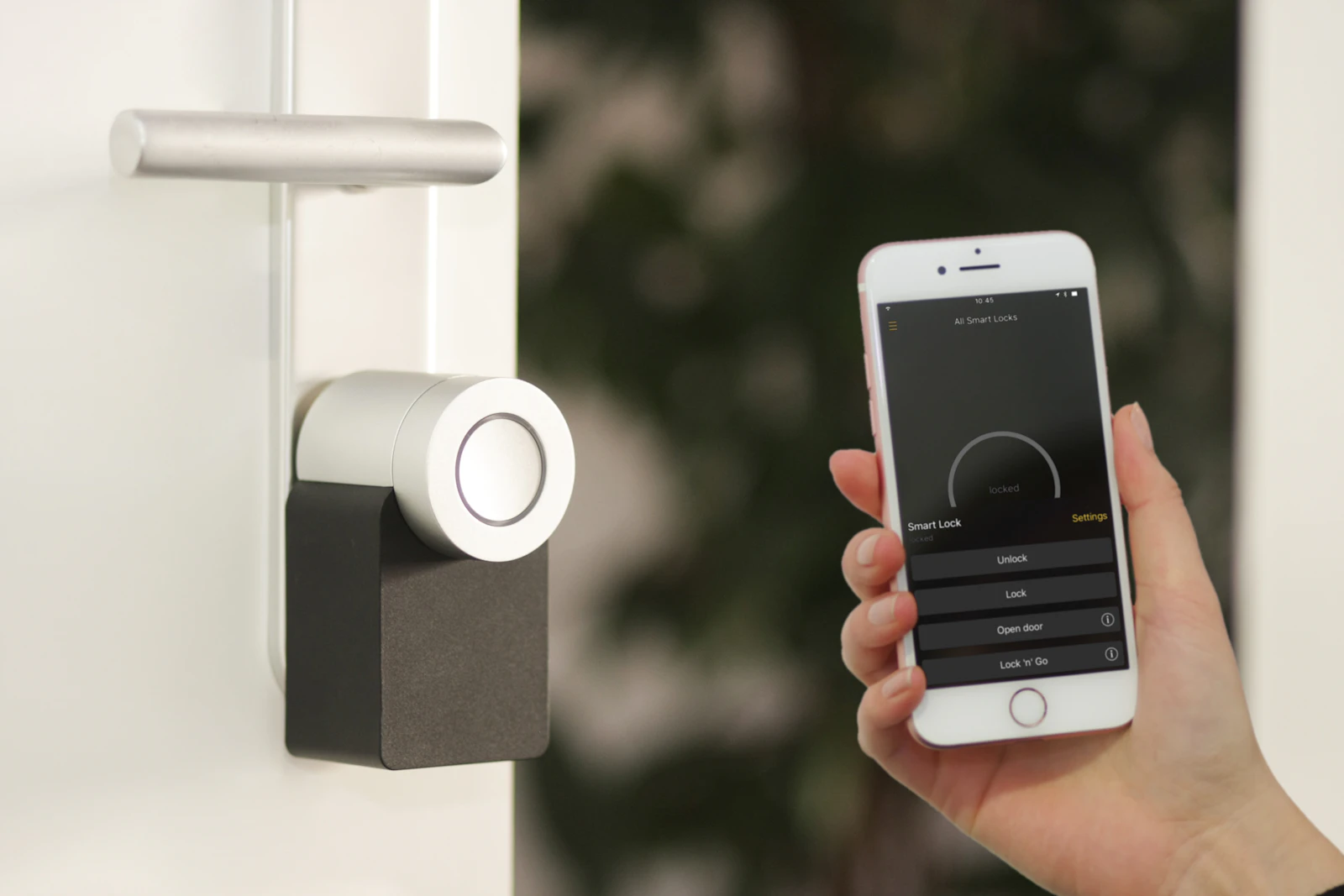
Every Pasadena property is different. A simple video doorbell or two-camera residential setup has a different cost profile than a commercial CCTV system with multiple cameras, clean low-voltage cable runs, NVR recording, remote owner viewing, parking coverage, access control, and multi-location permissions.
Eagle Star Security provides consultation-based estimates because the right recommendation depends on camera count, camera type, mounting height, cable access, recorder capacity, night vision needs, network condition, remote viewing, and whether old equipment can be reused.
Call (626) 806-6676 to discuss a security camera installation quote, CCTV installation free estimate, camera repair visit, access control project, or system upgrade.
Front door, driveway, garage, side gate, backyard, or video doorbell coverage with clean setup, mobile viewing, and playback guidance.
Multiple cameras, NVR/DVR recording, outdoor night vision, structured cabling, app setup, commercial zones, parking areas, and owner or manager access.
Camera troubleshooting, NVR/DVR problems, broken cameras, poor night vision, app connection problems, old analog CCTV upgrades, wiring fixes, and video backup.
Long cable runs, attic access, high mounting locations, parking-lot coverage, PTZ cameras, LPR cameras, access control integration, storage retention, and multi-location viewing can increase scope. Usable existing cabling, a healthy network, clear camera placement, reusable equipment, and defined coverage goals can keep a project more efficient.
A low package price can miss the actual job. Eagle Star estimates the real property so the final system is clearer, more reliable, and easier to use.
Eagle Star Security represents its work as licensed and insured for low-voltage security, surveillance camera, CCTV, access control, intercom, gate entry, NVR/DVR, remote viewing, and related system integration work. Customers can request current license, insurance, and certification details before approving a project. If a project requires a specific contractor number, building requirement, property management approval, or insurance certificate, Eagle Star can address that during the consultation process.
The site now uses branded contact emails and stronger trust language, but published review counts and star ratings should only be added after they are pulled from the real Google Business Profile or another verified review source. The same standard applies to project photos: real camera, recorder, access panel, gate, cabling, and commercial installation images should replace representative images as they are collected.
The final price depends on camera count, camera type, cable distance, wall or attic access, recorder size, storage goals, remote viewing needs, access control hardware, intercom or gate equipment, and whether old wiring can be reused. A simple home camera installation is different from a commercial CCTV system with multiple doors, parking coverage, user permissions, and long recording retention.
Eagle Star uses the consultation to separate must-have coverage from nice-to-have coverage. That helps customers phase work when needed while still protecting the most important entrances, driveways, parking areas, counters, stockrooms, gates, and blind spots first.
For security camera installation, CCTV installation, access control, repair, upgrades, remote viewing, low-voltage wiring, structured cabling, or video backup questions, call (626) 806-6676 or email [email protected]. For service and follow-up support, email [email protected].
Security camera installation cost is best estimated after the property is reviewed, but buyers usually need a starting framework. A smaller home project may involve a video doorbell, driveway camera, side gate camera, and mobile viewing setup. A typical small business may need four to eight cameras, an NVR, remote viewing, and coverage for the front door, register, stock room, and rear entrance. A larger commercial property may need 12 to 32 cameras, parking lot coverage, warehouse or loading dock cameras, user permissions, and longer video retention.
Access control changes the estimate because card readers, fobs, keypads, electric locks, gate hardware, video intercoms, and door schedules each have different wiring and configuration requirements. Repair work is different again: the most efficient path may be replacing a failed camera, reconnecting remote viewing, upgrading the recorder, cleaning up cable problems, or moving an old CCTV system to IP cameras in phases.
DIY cameras can work for simple home monitoring, but many Pasadena properties need cleaner mounting, better cable paths, more reliable recording, and a support path when apps, routers, users, or recorders change. Professional installation is especially valuable when the property has multiple doors, parking exposure, employee areas, shared entrances, access control, or a need to export footage for insurance, police, or property management review.
A useful quote should identify camera locations, camera type, recording equipment, storage assumptions, wiring scope, mobile viewing setup, user permissions, warranty expectations, and whether existing equipment will be reused. It should also explain what is not included, such as major electrical work, internet service upgrades, special lifts, or third-party monitoring fees.
A two to four camera home project usually focuses on the front door, driveway, garage, side gate, and mobile viewing. The estimate depends on whether cameras are wired or wireless, whether cable can be run cleanly, whether a video doorbell is included, and whether the homeowner needs local NVR recording or cloud/mobile viewing.
A four to eight camera small-business project usually covers customer entry, payment areas, employee access, inventory, rear doors, and parking. This kind of project may require low-voltage cabling, an NVR, clear camera naming, owner and manager users, and playback training so staff can find footage quickly.
A larger commercial or multi-family project may include 12 to 32 cameras, parking lot views, lobby coverage, mail or package areas, gates, intercoms, access control, multiple user permissions, and longer storage retention. These systems should be quoted after a site review because mounting, cable distance, lighting, network equipment, and recorder sizing all affect cost.
Repair calls should begin with the symptom: no video, missing footage, poor night view, a failed camera, a recorder problem, a mobile app issue, a network change, or old wiring. Sometimes the least expensive fix is replacing a power supply, correcting a setting, or reconnecting remote viewing. Other times the better value is upgrading an old DVR, replacing failing cameras, or moving from analog CCTV to IP cameras in phases.
How many entrances need identification-level video? How many views are only overview cameras? Does the property need parking lot cameras? Should gates or office doors use access control? How many people need mobile viewing? How long should footage be stored? Is the existing wiring usable? Is the network strong enough? Are there lighting or weather problems? These answers create a realistic quote and reduce change orders.
Package prices can be useful for comparison, but they often ignore the details that make a security system succeed: mounting surfaces, cable access, internet reliability, lighting, blind spots, recorder storage, user permissions, and how the customer will actually review footage. Eagle Star should quote the real property so customers understand what they are buying, what is included, and how the system will be supported after installation.
Camera count is only one part of the estimate. The harder questions are where each camera should be mounted, how cable will reach it, whether the view needs night vision, whether the camera must identify faces or only show general activity, and whether the customer needs footage stored for days, weeks, or longer. A parking lot camera may need different equipment than a hallway camera. A gate camera may need different planning than a front-door camera. A warehouse camera may need a higher mounting point and a different lens than a small office camera.
Recorder sizing also affects price. A customer who wants continuous recording from many cameras needs more storage than a customer who only needs motion recording from a few views. Remote viewing can also affect scope because the installer may need to confirm network settings, app users, passwords, router changes, and whether the owner wants multiple staff members to have different permissions.
Access control adds another layer. Card readers, fobs, keypads, electric strikes, magnetic locks, request-to-exit devices, gate operators, and video intercoms all have different hardware and wiring requirements. A single interior office door is a different project from a gated community entrance or a multi-tenant building with visitor calls and resident access.
Customers should compare more than the total number. A fair comparison should include camera resolution, recorder type, storage capacity, warranty, labor scope, cable type, app setup, user training, service support, and whether the installer will document camera names and passwords. One quote may be cheaper because it excludes cabling, remote viewing, lift work, access control hardware, or repair of existing wiring.
Customers should also ask whether the system will be expandable. A property may start with four cameras and later need eight. A business may start with cameras and later add access control. A homeowner may add a gate camera or video intercom later. Planning for expansion can save money compared with rebuilding the system from scratch.
The best quote is tied to the actual property. Eagle Star can identify the minimum useful coverage, the optional upgrades, and the repair or reuse opportunities. That lets a customer choose a phased path: protect critical doors and driveways first, add parking or gate coverage next, and upgrade recorder storage or access control when the operational need is clear.
This approach is especially useful for Pasadena homes, restaurants, offices, warehouses, apartment buildings, HOAs, and small businesses that need security but do not want a confusing package. The final scope should be clear enough that the customer knows what cameras are included, what the recorder does, how remote viewing works, who can access the system, and who to call if something stops working.
A lower quote may be fine when the scope is simple, but it can become expensive if it leaves out the recorder, storage, cable cleanup, remote viewing, user training, warranty support, or access-control hardware. A quote should also make clear whether it includes repairing old wiring, replacing failed cameras, configuring phones, naming cameras, and showing the customer how to export footage.
For businesses, the hidden cost is often management time. If managers cannot find footage, if the owner cannot view cameras remotely, or if former employees still have app access, the system creates risk. A slightly better planned installation can save time every time an incident, delivery dispute, parking problem, or access issue has to be reviewed.
For homeowners, the hidden cost is usually missed evidence. A camera pointed too high, too wide, or into glare may record motion without recording what matters. Professional placement helps turn cameras into useful evidence rather than decoration.